
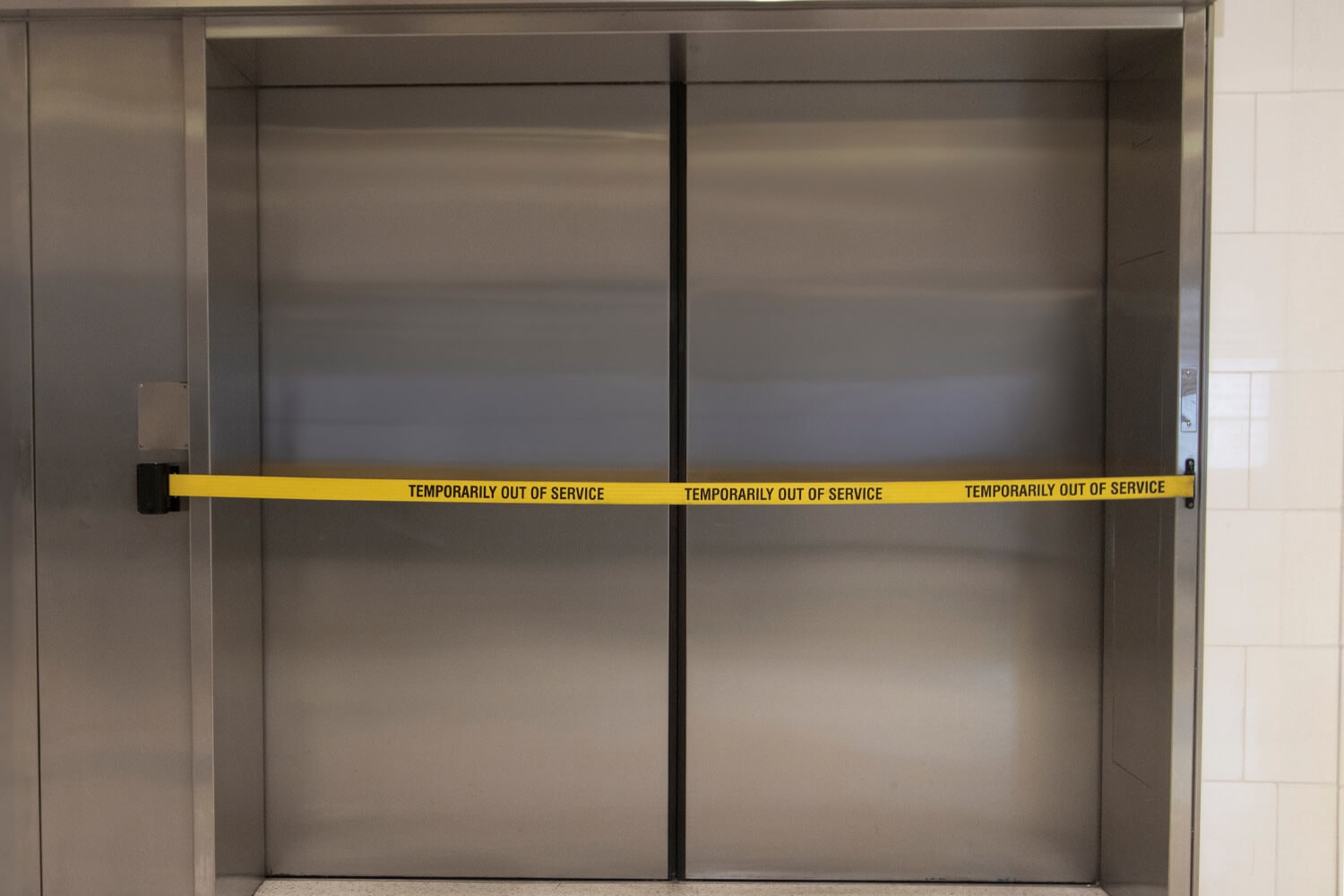
If you own or manage a building with an elevator, it’s your responsibility to keep it operating safely. Knowing a few of the top elevator safety hazards is a smart step in the right direction.
At ELEVATE Monitoring, we’re passionate about elevator safety. We offer 24/7 two-way elevator monitoring services, setting the bar much higher than outdated call centers with limited availability. Based on our extensive industry experience, here are five key elevator-related hazards to watch for.
1. Faulty Door Sensors
According to the County of Riverside Human Resources Safety Division Safety Newsletter, the most common hazards leading to passenger injury in elevators involve someone getting caught in the door. When door sensors stop working properly, elevators may close too quickly or fail to detect someone entering or exiting the cab. This can pose a serious risk to children, older adults, and anyone carrying items, as they may not be able to respond quickly to a closing entryway.
Regular inspections and testing help catch sensor issues before they turn into accidents.
2. Tripping Hazards
Not every elevator injury happens inside the cab itself. Some elevator safety hazards, like poor lighting, uneven flooring at the entryway, or damaged surfaces, can easily lead to slips and falls. Even a small gap or slight misalignment can become dangerous in a busy building, especially for users relying on mobility devices.
Property owners should routinely check lighting, flooring conditions, and elevator leveling to help reduce preventable injuries for tenants and visitors.
3. Emergency Communication System Failures
Emergency communication systems are critical when passengers become trapped or experience a medical emergency inside an elevator. If the communication system fails, occupants may be unable to reach building staff or emergency responders for help.
Older systems are especially vulnerable to outages or compatibility problems. Testing your communication pathways regularly or upgrading outdated equipment to meet code standards can help ensure your occupants are never left isolated during an emergency.
4. Mechanical Wear
Like any machine with moving parts, elevators experience wear over time. Components such as load sensors, cables, pulleys, and braking systems all play a role in how elevators work safely each day. When these parts begin to deteriorate, performance issues and safety risks often follow.
Meeting the standard elevator maintenance requirements is a key aspect of a building owner’s responsibilities. Scheduling routine inspections and addressing repairs quickly can help prevent minor mechanical problems from becoming larger hazards.
5. Emergency System Failures
Elevators rely on multiple safety systems to respond properly during an emergency. If fire alarms or smoke detectors fail, elevators may not respond as they should during a dangerous situation, putting passengers and first responders at greater risk.
Elevator Accident Prevention Starts With Installing the Right Passenger Safety Features
Avoiding these elevator safety hazards starts with ensuring that your building meets the current standards set by ASME A17.1 and CSA B44. If you need to upgrade your equipment, you’ve come to the right place. Call ELEVATE Monitoring today at 877-990-9191 to learn more about our nationwide elevator monitoring service.
