
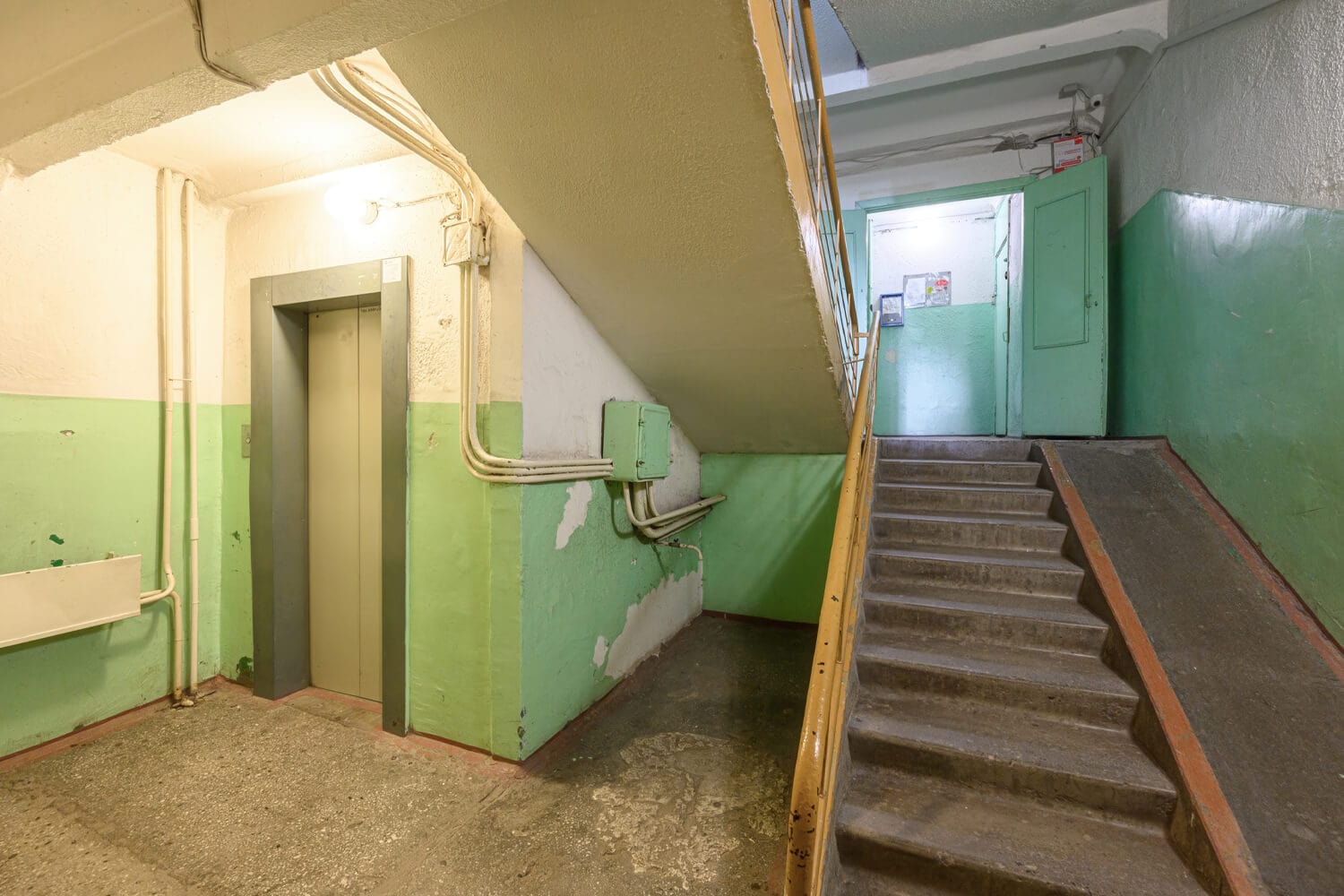
If your elevator experiences frequent breakdowns or is not used often, you may consider removing it from service. Decommissioning is the legal process of doing so, and it follows specific steps to ensure the safety of building occupants.
Learn more about elevator decommissioning and when it is needed. If you are looking to modernize your existing system, turn to ELEVATE Monitoring for advanced elevator monitoring technology.
Understanding Elevator Decommissioning
Decommissioning is the process of removing an elevator (or escalator) from service. This does not usually involve removing the entire elevator system and shaft from the building. Rather, it prevents the elevator from functioning so that occupants can no longer use it, eliminating the need for ongoing inspections and maintenance.
As long as an elevator is in service, it will require code-compliant safety inspections, even if no one uses it or it has been shut down for some time. Decommissioning is necessary for legal and safety reasons to ensure that the elevator cannot be used.
When Is Elevator Decommissioning Needed?
There are several instances in which a building owner may decide to decommission an elevator:
- It is rarely used, and maintaining it is more expensive than it is worth.
- The building is vacant, and decommissioning the elevator would prevent it from needing to comply with ongoing building codes.
- It is old or needs ongoing repairs, and the equipment is so outdated that it is expensive or hard to find.
- The building is being renovated, and a complete elevator upgrade is planned.
- The building is being demolished;elevator decommissioning is legally required prior to demolition.
The Elevator Decommissioning Process
Understanding how to decommission an elevator starts with learning how elevators work. The process involves disconnecting the power, removing certain components, and barricading the shaft doors to prevent entry. Only a licensed elevator mechanic can perform this procedure, and they must comply with strict safety requirements.
The decommissioning process often follows these steps:
- Lower the car and counterweights to the lowest level.
- Remove suspension ropes, cables, and governors.
- Disconnect the power supply wires and mainline fuses from the main disconnect switch.
- Dispose of hazardous materials appropriately, including draining hydraulic fluid and pressure piping.
- Permanently bolt the landing doors shut from the inside or seal off the entrances.
- Mark the elevator with the appropriate signage to prevent entry.
If an elevator needs to be temporarily dismantled, a technician can strip it of its functional components but leave the car and shaft intact to allow for future restoration. Alternatively, complete removal can involve physically ripping out the car, motor, and internal mechanisms, leaving only the empty shaft, which the building owner could renovate to better utilize the space.
Modernize Your Elevator With ELEVATE Monitoring
Now that you know about elevator decommissioning, you can decide whether this is appropriate for your machine. Many building owners are opting for elevator modernization instead to upgrade their systems with advanced safety features. Contact ELEVATE Monitoring today at 877-990-9191 to learn about our two-way video monitoring technology.
