
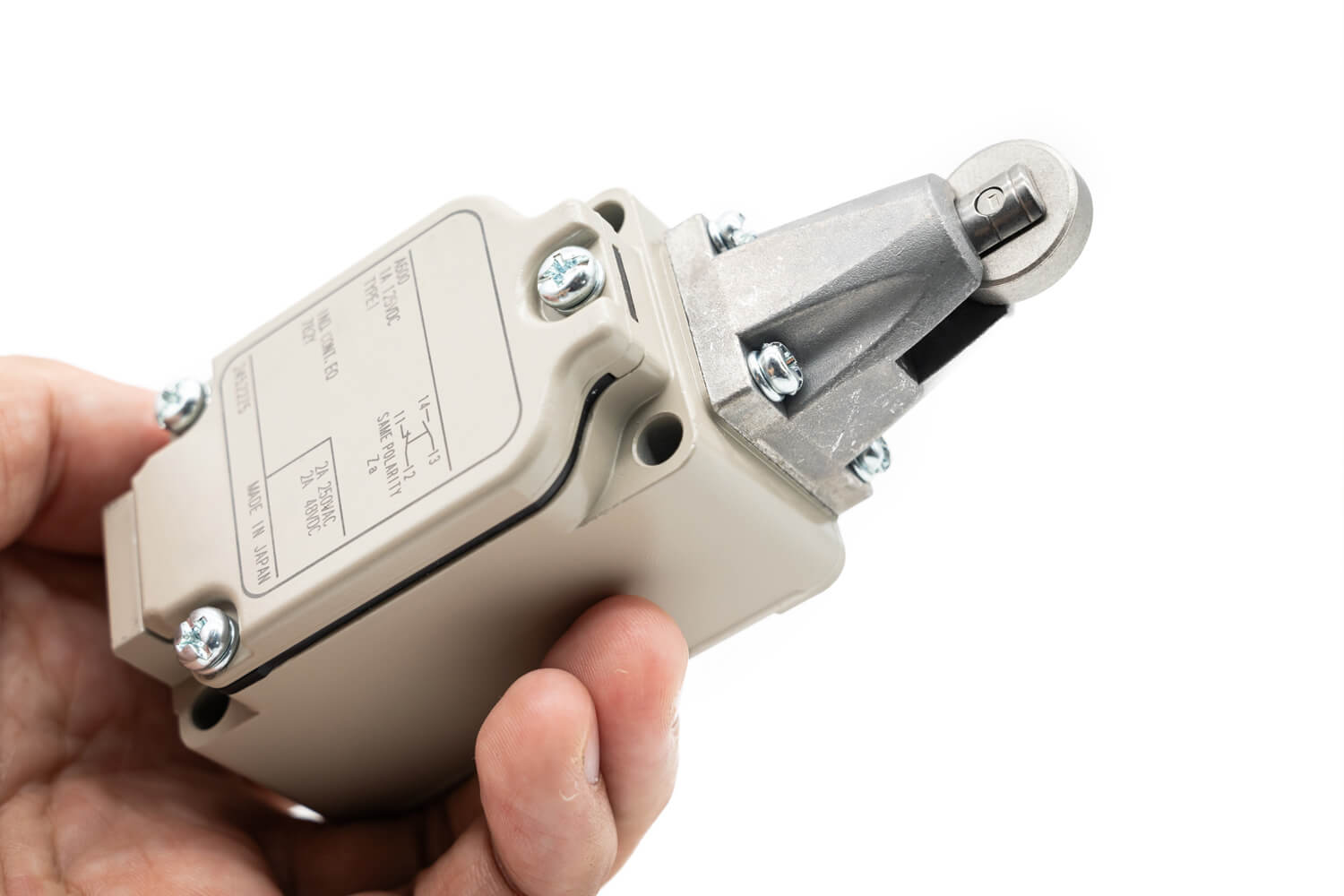
Are you wondering how the elevators on your property know when to stop, open, and close? The answer lies in the elevator limit switch. Understanding why limit switches are important for preventing accidents will help you realize why you must maintain them regularly.
Below, our team from ELEVATE Monitoring offers an overview of limit switch operation. We offer 24/7 elevator monitoring services to help buildings meet code and safety standards.
What Is the Elevator Limit Switch?
Elevator limit switches are mechanical and electrical systems that physically detect when the elevator reaches certain positions in the shaft. Think of them like fail-safes. When the elevator moves outside of the safe “limits” and triggers the switch, a transmission is sent to stop the cab from moving or to slow it down.
How Limit Switches Operate
Limit switches work by responding to the elevator car’s movement. When it triggers the switch, it sends the appropriate signals to the elevator control panel to help manage safe operation and movement throughout the shaft. Here are the basic steps involved:
- The switch senses when the elevator reaches a specific point along its travel path.
- A moving part of the elevator physically presses or activates the switch mechanism.
- The switch sends an electrical signal to the elevator’s control system once activated.
- The system reacts by slowing, stopping, or preventing movement, depending on the elevator’s position.
- If the elevator moves too far or operates incorrectly, the limit switch can trigger emergency stopping functions.
Elevators have a few types of limit switches. Mechanical ones act as the first line of defense, using physical contact to detect movement and trigger a response. A terminal limit switch acts as a final safeguard when the elevator approaches the end of its permitted travel range. If the elevator moves too far, this switch can stop operation before serious risks arise.
How Limit Switches Prevent Elevator Accidents
Limit switches are a key part of an elevator’s overall safety system. They stop the elevator before it moves beyond its safe upper or lower boundaries and help it level at the correct spot, reducing uneven landings and positioning issues.
Limit switches also confirm that doors are fully closed before the elevator is allowed to move. If the system does detect any abnormal movement or unsafe conditions, the switch can trigger protective stopping actions. When an elevator suddenly stops in the middle of a ride, it’s often due to the limit switch identifying something wrong, then shutting things down.
Beyond overtravel protection and other safety protocols, limit switches also help with overall system longevity. By ensuring that movements are precise, these mechanisms help prevent unnecessary wear on elevator components.
Keep Learning About Elevator Door Operation With ELEVATE Monitoring
Now you know all about elevator limit switches, so it’s time to learn how an elevator safety brake works.
If you’re thinking about upgrading your elevator safety system, we think you’ve made a wise choice. At ELEVATE Monitoring, we offer around-the-clock two-way video monitoring services. Call us at 877-990-9191 to learn more.
