
As a building owner, your maintenance tasks likely seem never-ending. This is especially true if you have an elevator in your building.
Elevators contain many moving parts that require frequent attention to continue operating safely. Today, we’re going to go over elevator rope replacements. By identifying the early warning signs of wire rope fatigue, you can keep your building occupants safe and hopefully prevent more expensive complications down the line.
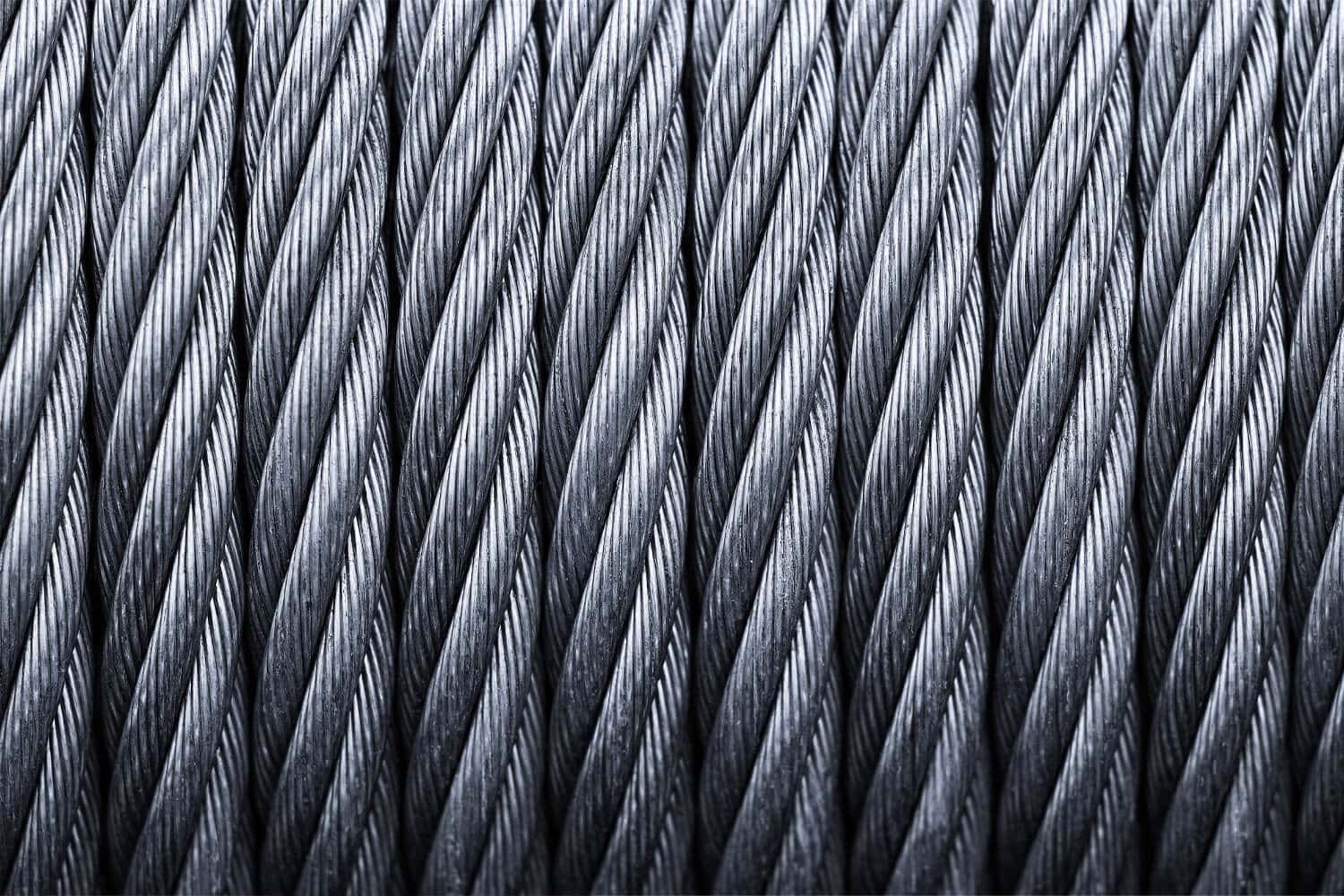
As you might imagine, the rope is the steel cable that hoists and lowers the car. It sees a lot of daily wear and tear, so it’s important to nail your wire rope replacement timing before things get dangerous. Below, our team from ELEVATE Monitoring, offering the industry’s leading elevator monitoring services, explains the key signs of wire rope fatigue in elevators.
1. Corrosion
Elevator rope wear and corrosion typically go hand in hand, making this one of the first key indicators to watch for. While these cables look like they’re made entirely of steel, they contain a hemp core saturated with oil to keep everything lubricated. Over time, this oil dries up into a powder, allowing the outer steel strands to rust.
If you’re noticing that distinctive orange hue on your elevator ropes, it’s time to call in a technician for an evaluation.
2. Unusual Sounds
Cables are an important part of understanding how elevators work. As they loosen over time, they may bump around inside the shaft, hitting walls or each other. This can create rattling or vibration noises that you didn’t hear when your elevator was first installed.
New or unusual sounds do not always indicate the need for an elevator rope replacement. You could be dealing with a wide range of mechanical concerns, so it’s best to schedule an inspection.
3. Visible Metallic Shavings or Broken Strands
As the elevator ropes wear down, they can shed fine metallic dust, reddish powder, and needle-like shavings into the shaft. If you notice debris on the floor in the machine room or actually see any fraying on the cables, it’s time to consider an elevator wire rope replacement.
4. Wire Rope Thinning or Flat Spots
Elevator cables wear over time, and that’s to be expected. When you notice significant thinning or oddly flat spots, though, you should be concerned. If the outer layer of the cables wears down to about 10% of the original diameter, its friction will be significantly reduced, and the risk of slippage and leveling issues will increase.
The wire’s core or outer layers often wear down due to poor lubrication, leading to excessive heat when the system runs. This is the same problem that leads to corrosion. You can prevent this with regular maintenance visits to keep everything lubricated.
Your Best Choice Is To Schedule an Elevator Wire Rope Inspection
The best way to determine whether you need an elevator rope replacement is to schedule a professional inspection. To keep your cables and other components operating well for as long as possible, check out our preventive maintenance guide. For more information on elevator safety and our monitoring solutions, call ELEVATE Monitoring at 877-990-9191.
