
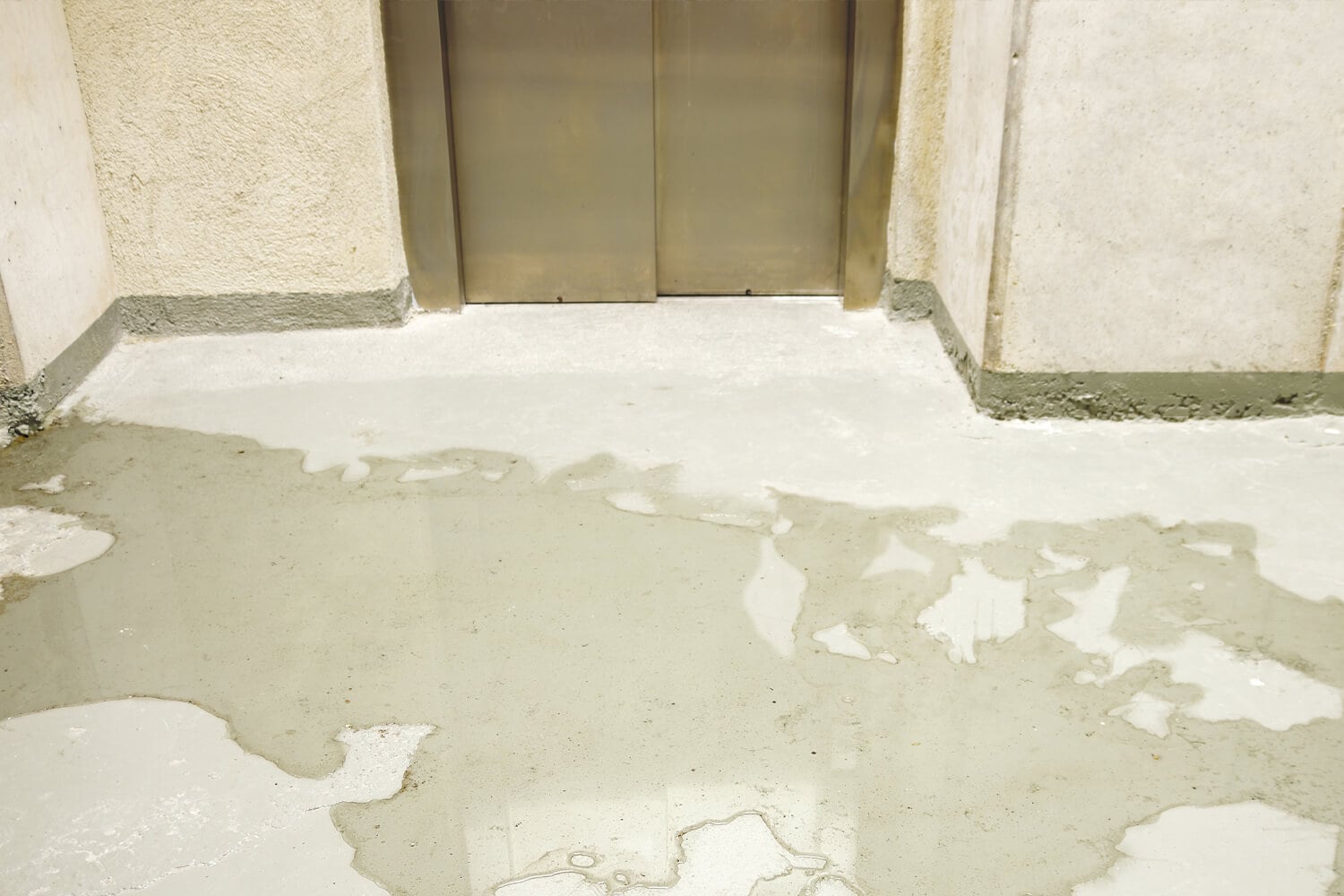
Facing water damage can be overwhelmingly stressful as a building owner. If you’re wondering how the damage might have affected major building components, such as an elevator, you have every right to be concerned. Elevator water damage can be extensive and difficult to manage, depending on the severity of the flooding.
Below, our team from ELEVATE Monitoring, offering a state-of-the-art elevator monitoring system, explains what you should know about moisture damage in an elevator.
Moisture Can Damage the Electrical Components
Water and elevators are a risky combination, especially when flooding reaches electrical systems or mechanical parts. Even a small amount of moisture can create problems that are not immediately visible, which is why elevators should always be inspected after water damage occurs.
In some cases, the elevator may stop working completely. In others, it could continue operating while hidden damage develops behind the scenes. You may face issues such as corroded wiring, sensor failures, or damage to the control panel, which can affect how safely the system runs. Acting quickly after water exposure can help prevent larger repairs, costly downtime, and potential safety hazards.
Water Intrusion May Also Lead to Mold Growth, Rust, and Corrosion
Elevator water damage is not always limited to electrical components. Moisture that lingers inside the shaft, machine room, or cab can create the perfect environment for mold growth, especially in poorly ventilated areas. Over time, metal parts may rust or corrode, weakening important components and shortening the life of the equipment.
Corrosion can affect tracks, wiring connections, doors, and other moving parts that elevators rely on every day. Even after the visible water is gone, hidden moisture may continue causing damage behind walls and inside mechanical systems if it is not properly addressed.
How To Respond to Moisture or Flood Damage
If you discover moisture or flooding around an elevator, the key is to act quickly and avoid using the system until it’s properly checked out. Here are a few steps to follow:
- Turn off the elevator: Stop using the elevator right away to prevent further damage or safety risks.
- Document the damage: Take photos and notes, so you have a clear record for insurance or repair reports.
- Notify your building maintenance or monitoring service: Make sure the issue is logged and tracked for follow-up work.
- Begin drying and ventilation: This helps reduce moisture in the area and future complications. You may use fans or dehumidifiers where safe to do so.
- Schedule an elevator inspection: Call a qualified technician to evaluate and repair the equipment. Only resume normal use once the system has been cleared as safe by a professional.
Learn More About Elevator Equipment With ELEVATE Monitoring
We know that elevator water damage can be incredibly frustrating. Our team at ELEVATE Monitoring offers resources on a range of topics to help you deal with everything from elevator maintenance to safety enhancements. We even offer this guide to elevator safety for parents hoping to teach their kids best practices.
For more information about our 24/7 elevator monitoring solutions, call us at 877-990-9191.
