
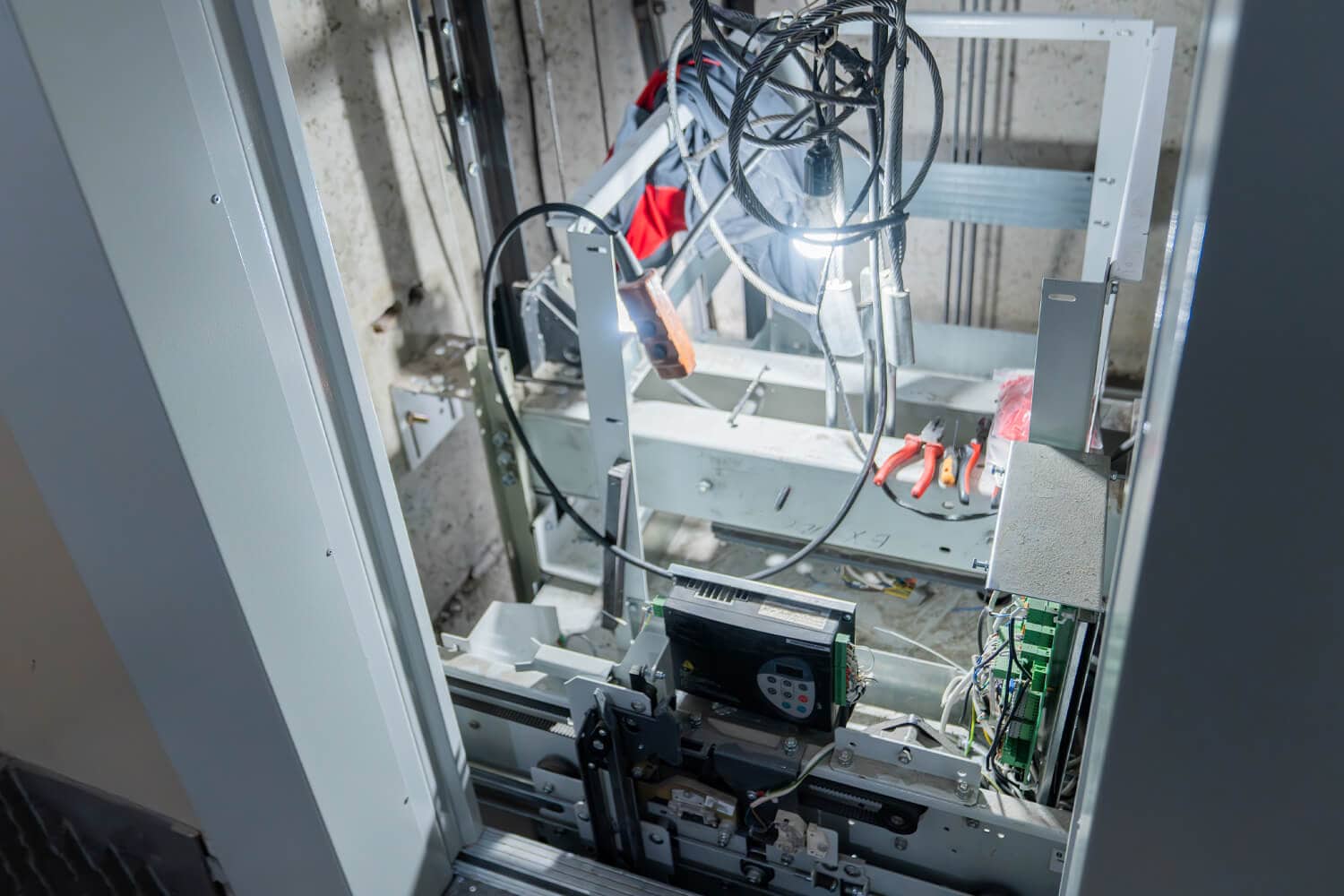
Elevators include a range of moving parts, equipment, and mechanisms that must all work seamlessly together to safely transport riders between floors. Elevator safety compliance is of the utmost importance, as even one code violation can put riders at risk of injury.
Understanding a few common elevator safety compliance issues can help your business avoid violations and ensure that all patrons can safely use this equipment. The right elevator monitoring system can also help your patrons stay safe.
Lack of ADA Accessibility
Elevators provide an accessibility solution for buildings with multiple floors, but the elevators themselves need to be ADA compliant as well. This means being in a location that is easily accessible and does not require stairs to access. It may also mean that the elevator entrance is wide enough to accommodate wheelchairs, that the doors stay open long enough to accommodate patrons with mobility challenges, and that there is no significant height difference between the floor and the elevator entrance.
Additional accessibility improvements may include braille near the buttons and verbal or auditory signals. Elevator safety compliance violations can occur when an elevator does not meet one of these standards and is considered inaccessible under the ADA.
Missing or Inaccurate Signage
Elevators need to have specific signs to communicate important information to riders. Any of these signs may be required under local and national elevator codes:
- Floor indicators, both inside and outside the elevator
- Warning signs to use the stairs in the case of a fire
- Signs that direct firefighters and emergency personnel during urgent operations
- Accessibility signs under the ADA
- Signs indicating the maximum elevator capacity
When buildings are missing any of these signs or when signs are inaccurate, the building may not be up to code.
Missed or Noncompliant Inspections
Regular inspections ensure compliance with essential elevator safety standards. They also help identify safety concerns before they turn into major malfunctions that put patrons at risk of injury.
When elevators and lifts have not been professionally inspected within the required timeframe, they may be in violation of elevator safety codes. The building could face fines and legal penalties, and the elevator may be rendered inoperable until a compliant inspection is completed and verified.
To maintain elevator code compliance, the inspection needs to be performed by a certified professional, such as a Qualified Elevator Inspector (QEI).
Outdated Safety Features
Finally, elevator safety violations can occur when an elevator uses outdated safety features that no longer meet modern compliance requirements. For example, certain elevators are now required to use two-way video monitoring systems that enable patrons to speak with an operator face to face when they need assistance.
During an inspection, an inspector will point out any outdated safety equipment or features and detail the updates necessary to maintain compliance.
Upgrade Your Elevator Monitoring System Today
Meeting elevator safety compliance guidelines involves adhering to a detailed code checklist that ensures the reliable operation of the equipment. ELEVATE Monitoring can help you check one safety upgrade off your list through advanced two-way video monitoring technology with 24/7 monitoring from trained professionals. Call 877-990-9191 today to learn more.
